

Mayo Clinic Study Reveals How Genetic Testing Is Rewriting Pulmonary Fibrosis Care Protocols
Integration of telomere length analysis and genetic sequencing into routine practice is changing diagnoses and treatment decisions for lung disease patients

Lab-Grown Blood Vessels Show Promise in Reversing Heart Disease Damage
Preclinical studies reveal engineered vascular organoids can integrate with damaged heart tissue and restore blood flow, offering a regenerative alternative to traditional bypass surgery.

How Tomorrow's Weather Could Predict Your Hospital's Mental Health Crisis Load
A decade-long analysis of 15 million NHS contacts reveals that daily weather fluctuations—from temperature swings to rainfall—significantly influence mental health service demand, opening new frontiers for AI-powered healthcare forecasting.

India Launches Unified Drug Database to Power Next-Generation Healthcare AI
New national registry standardizes pharmaceutical data across the world's most populous nation, creating infrastructure for AI-driven clinical tools and medication safety systems.

AI-Powered Synthetic Heart Could End Animal Testing in Cardiac Device Development
Australian researchers have developed a soft robotic heart that uses artificial intelligence to replicate both healthy and diseased cardiac conditions, offering a breakthrough alternative for medical device testing.

Robot Pharmacists Are Here: How AI-Powered Dispensing Could Solve Healthcare's Medication Error Crisis
Startup Queue emerges from stealth with autonomous pharmacy technology that eliminates human handling of medications while addressing critical workforce shortages.

Vietnam's Health Insurance Overhaul Creates Blueprint for AI-Driven Universal Coverage
New regulations expanding coverage caps, telemedicine reimbursement, and chronic disease benefits position Vietnam as a testing ground for digital health equity solutions.

Urgent Care Giant's AI Acquisition Signals End of Manual Medical Billing Era
Experity's purchase of Exdion Healthcare brings automated coding and claims management to half of America's urgent care clinics, potentially eliminating administrative bottlenecks that have plagued the industry for decades.

India's COVID App Gets an AI Makeover: What 200 Million Users Can Expect from the Newly Launched Platform
Aarogya Setu 2.0 transforms from pandemic tracker to comprehensive health platform with predictive analytics and automated insurance processing

Million-Heart Dataset Deal Positions Australian Startup at Forefront of AI Cardiac Diagnostics Race
EchoIQ's exclusive access to up to one million echocardiogram scans represents one of the largest cardiovascular imaging datasets secured for AI development in the Asia-Pacific region.

RNA-Targeting Breakthrough: Ionis Scores Dual Wins with First-Ever FCS Therapy and $430M Licensing Deal
FDA approval of Tryngolza for ultra-rare pancreatitis disorder and major partnership for hereditary angioedema treatment signal growing confidence in antisense oligonucleotide technology.

America's Maternal Mortality Crisis Exposes a $5,000 Problem and 2.2 Million Women in Healthcare Deserts
Geographic disparities and insurance gaps leave millions of American women facing both life-threatening care deserts and thousands in out-of-pocket childbirth costs despite living in the world's wealthiest nation.

The Circadian Surgery Revolution: Why Your Heart Operation Time Might Matter as Much as Your Surgeon
Afternoon cardiac surgeries show significantly less heart muscle damage than morning procedures, as researchers discover our internal biological clocks may influence how patients respond to operations.

Georgia Hospital Tackles Paramedic PTSD with Peer Counselors and a Four-Legged Therapist
By pairing peer counselors with therapy dogs, one Georgia health system is breaking the stigma around mental health in emergency medical services.

Why the FDA Is Betting on Biology-Driven AI to Fix Drug Development's $2 Billion Failure Problem
Mechanistic AI that explains *why* drugs work—rather than just predicting outcomes—could finally give regulators the transparency needed to accelerate drug development and reduce catastrophic trial failures.
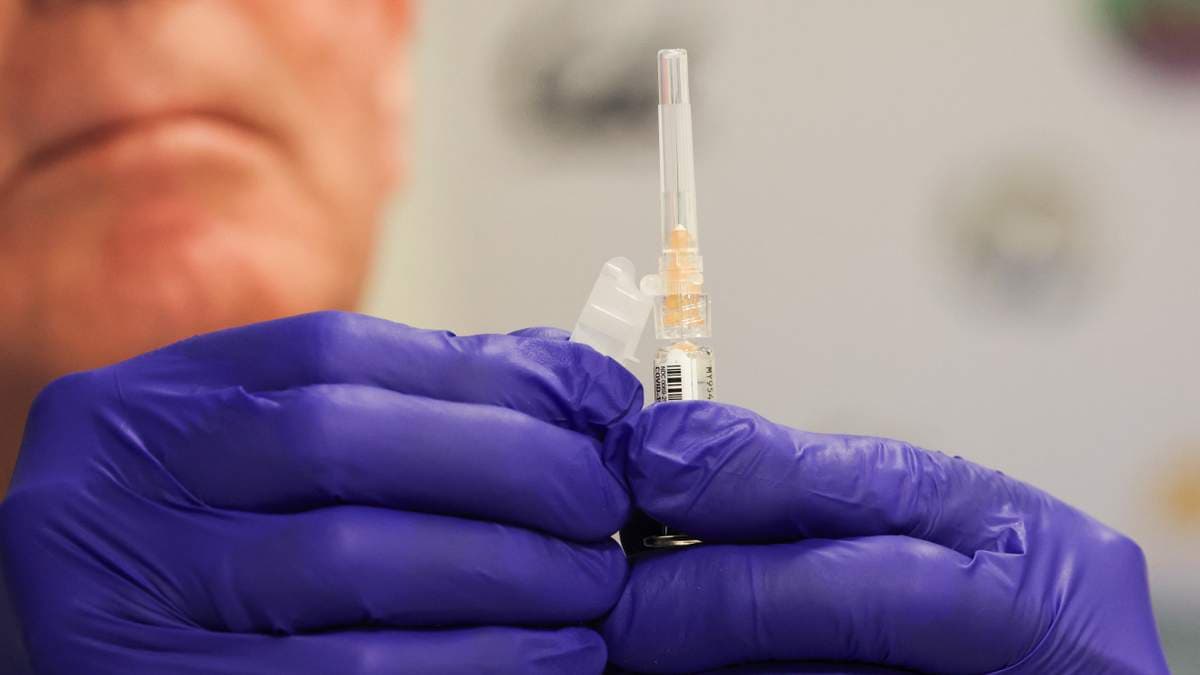
Veterans Health Data Reveals Unexpected Heart Protection from Updated COVID Boosters
Analysis of 2.3 million veterans reveals the updated vaccine formulation may offer unexpected cardiovascular protection alongside infection prevention benefits.
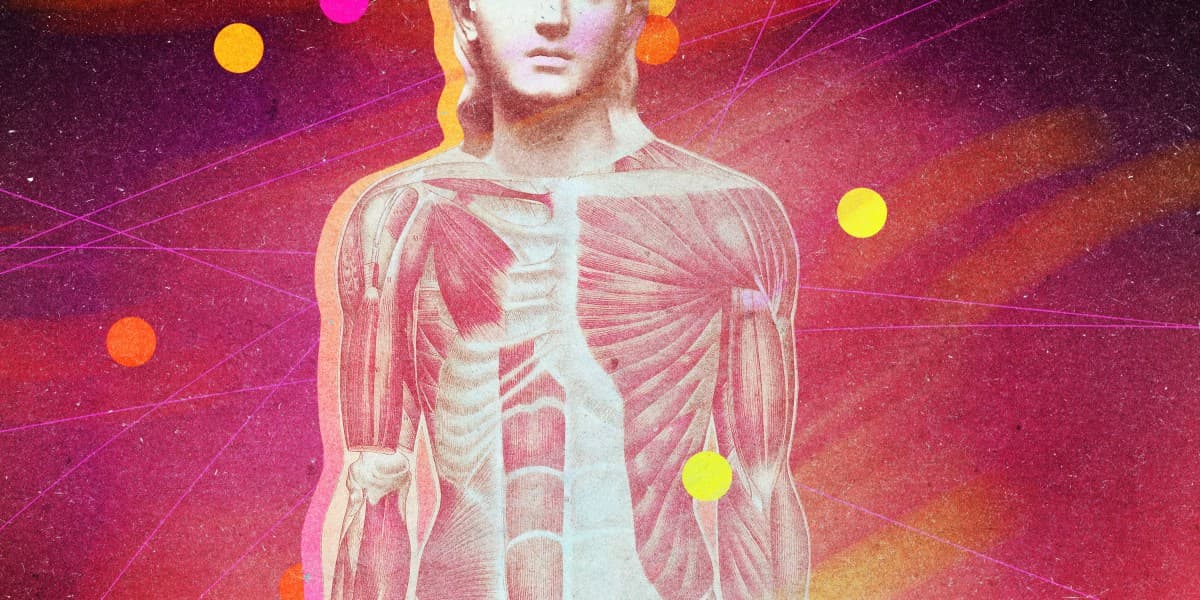
Inside Interoception: The hidden sense of how you feel inside
This internal sensing system continuously monitors heart rate, breathing, and metabolic states—and disruptions may explain why patients feel anxious or unwell without obvious cause.

Why “reprogramming” is the buzziest approach to reversing aging right now
Cellular reprogramming uses Yamanaka factors to reset the epigenetic clock without erasing cell identity, with Life Biosciences now testing this aging reversal approach in human glaucoma patients for the first time.

Nvidia, Abridge collaborate to develop healthcare-specific AI model
The partnership aims to create a purpose-built foundation model for clinical conversations, moving beyond adapted general-purpose AI to address unique medical communication challenges.

The FDA’s Bayesian Guidance Could Quietly Reshape Clinical Trial Design
FDA's new guidance on Bayesian statistical methods opens the door to adaptive clinical trials that could accelerate drug development while reducing costs and patient exposure to ineffective treatments.

Alphabet's AI Scans Sewage at World Cup to Predict Disease Outbreaks Before Symptoms Emerge
Verily deploys wastewater surveillance technology across World Cup host cities to detect disease outbreaks up to a week before symptoms appear in populations.
Why Drug Trials Are About to Get Smarter: FDA Embraces Statistical Revolution That Could Save Years of Research
FDA's new guidance on Bayesian statistical methods opens the door to adaptive clinical trials that could accelerate drug development while reducing costs and patient exposure to ineffective treatments.
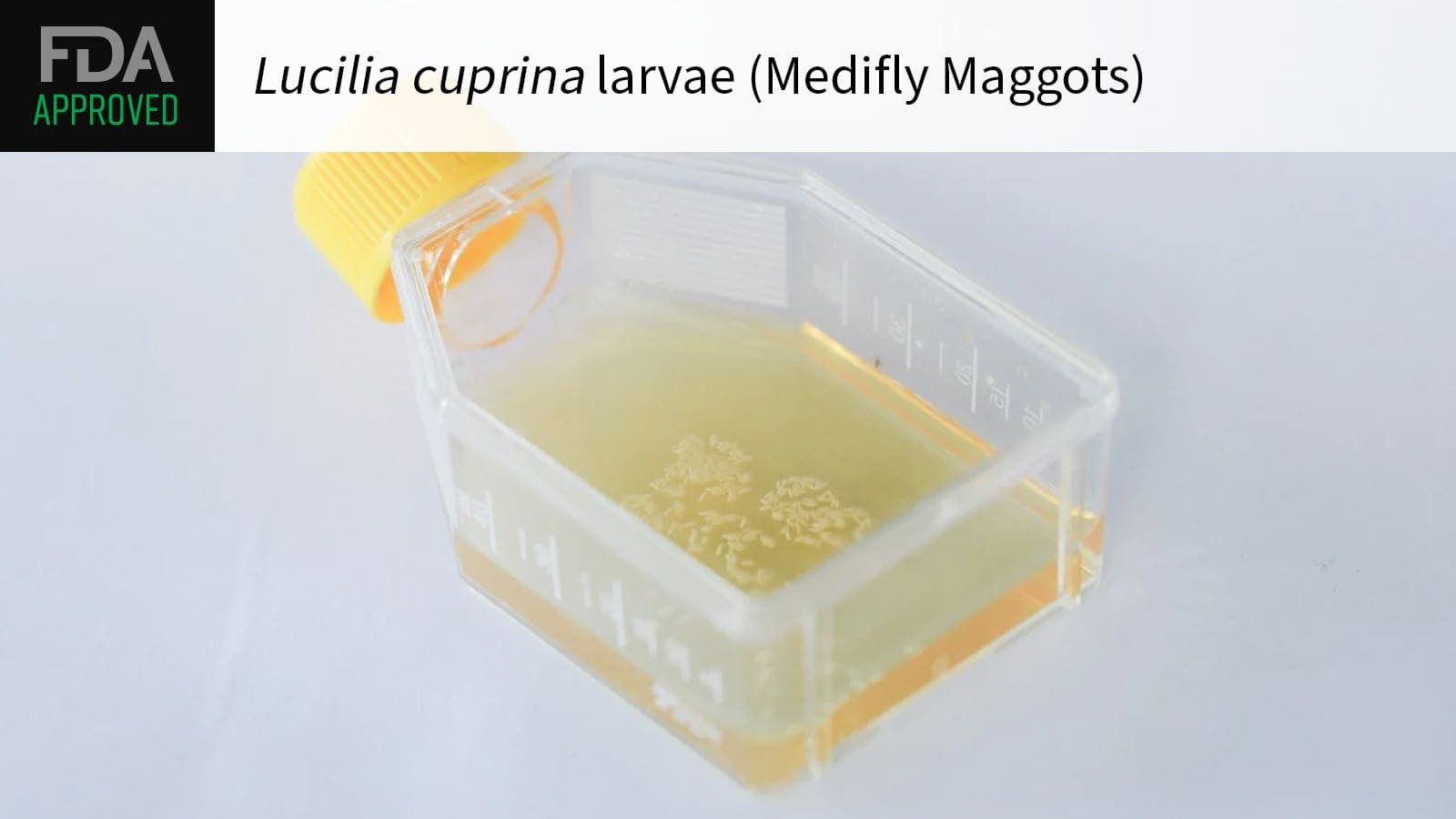
FDA Approves Australian Blowfly Larvae to Devour Dead Tissue in Chronic Wounds
FDA clears first medical maggot product using Australian sheep blowfly larvae, breaking the single-species monopoly in biological wound debridement therapy.

When Your Parent Refuses Assisted Living, Silicon Valley Steps In With 24/7 Surveillance
AI-powered monitoring systems promise to help seniors age safely at home, but raise critical questions about privacy, autonomy, and the ethics of constant surveillance.

Healthcare's AI Darwinism: Why Most Hospitals Will Fail the Autonomous Revolution
Healthcare organizations face mounting pressure to adopt autonomous AI systems or risk competitive obsolescence in what industry observers describe as a technological survival test.

OpenEvidence Launches Voice Mode and Closes $250M Series D at $12 Billion Valuation
OpenEvidence has launched a hands-free Voice Mode for its AI-powered medical search platform and disclosed a $250 million Series D round at a $12 billion valuation, backed by Google Ventures, Nvidia, Thrive Capital, and Mayo Clinic.

FDA Launches Elsa 4.0 and HALO Platform to Modernize Internal AI Capabilities
The FDA has launched Elsa 4.0 and the HALO (Health AI and Learning Operations) platform, consolidating the agency's internal AI and data infrastructure to accelerate regulatory reviews and modernize how the agency processes scientific evidence.

KFF Report Warns AI Could Exacerbate Racial Health Disparities Without Targeted Intervention
A new report from KFF (Kaiser Family Foundation) finds that AI systems deployed in clinical settings could widen existing racial and ethnic health disparities if not designed, validated, and monitored with equity as an explicit objective.