Latest reporting
Latest in Clinical AI
AI Healthcare Platform Achieves Landmark European Certification After Cutting Clinical Documentation Time by a Third
Qure.ai's Aira system becomes one of the first comprehensive AI clinical decision support platforms to secure the EU's rigorous Class IIb medical device certification following successful pilots across five countries.
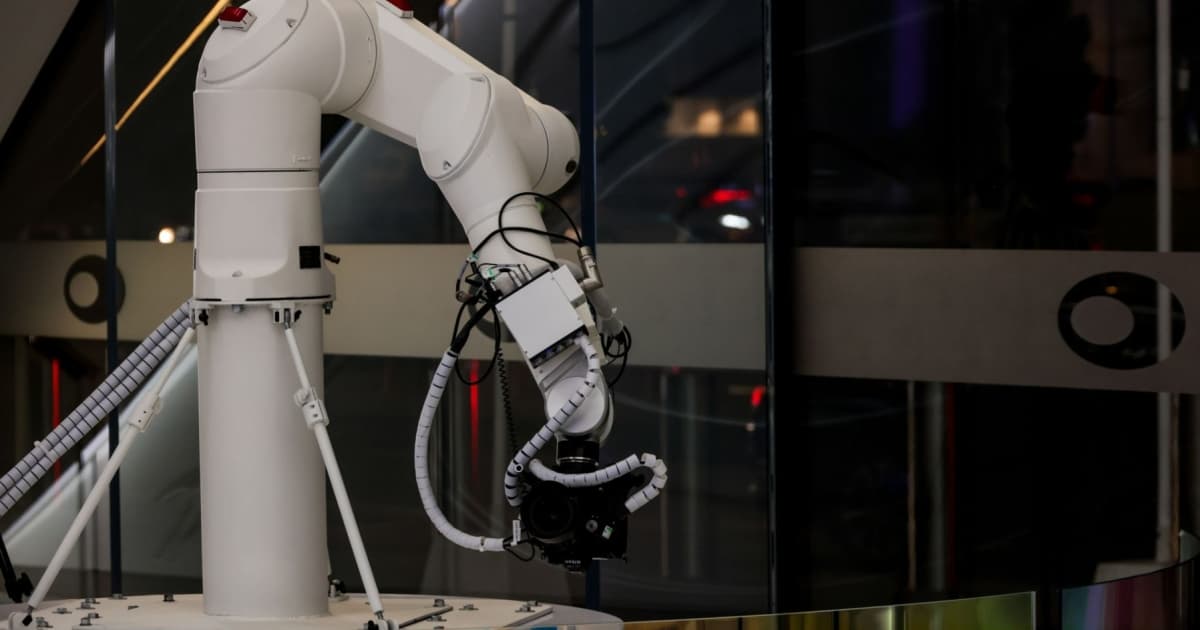
Radiology's AI Paradox: Workflow Tools Thrive While Diagnostic Applications Struggle to Gain Trust
New industry analysis reveals radiologists readily adopt speed-enhancing AI but remain wary of diagnostic tools due to false positive concerns and validation burdens.

Stanford AI Scientists Challenge Healthcare Industry with New Clinical Accuracy Benchmark That Claims 97.99% Effort Reduction
Knowtex's frontier lab launch introduces KnowBench evaluation framework as ambient AI company reports 88% clinician adoption rate—nearly triple the industry standard.

Mayo Clinic's Million-Patient Gambit: Can AI Predict Your Disease a Decade Before Symptoms?
New joint venture with Thermo Fisher aims to build the world's largest multi-omics database to forecast cancer, heart disease, and neurological conditions years in advance.
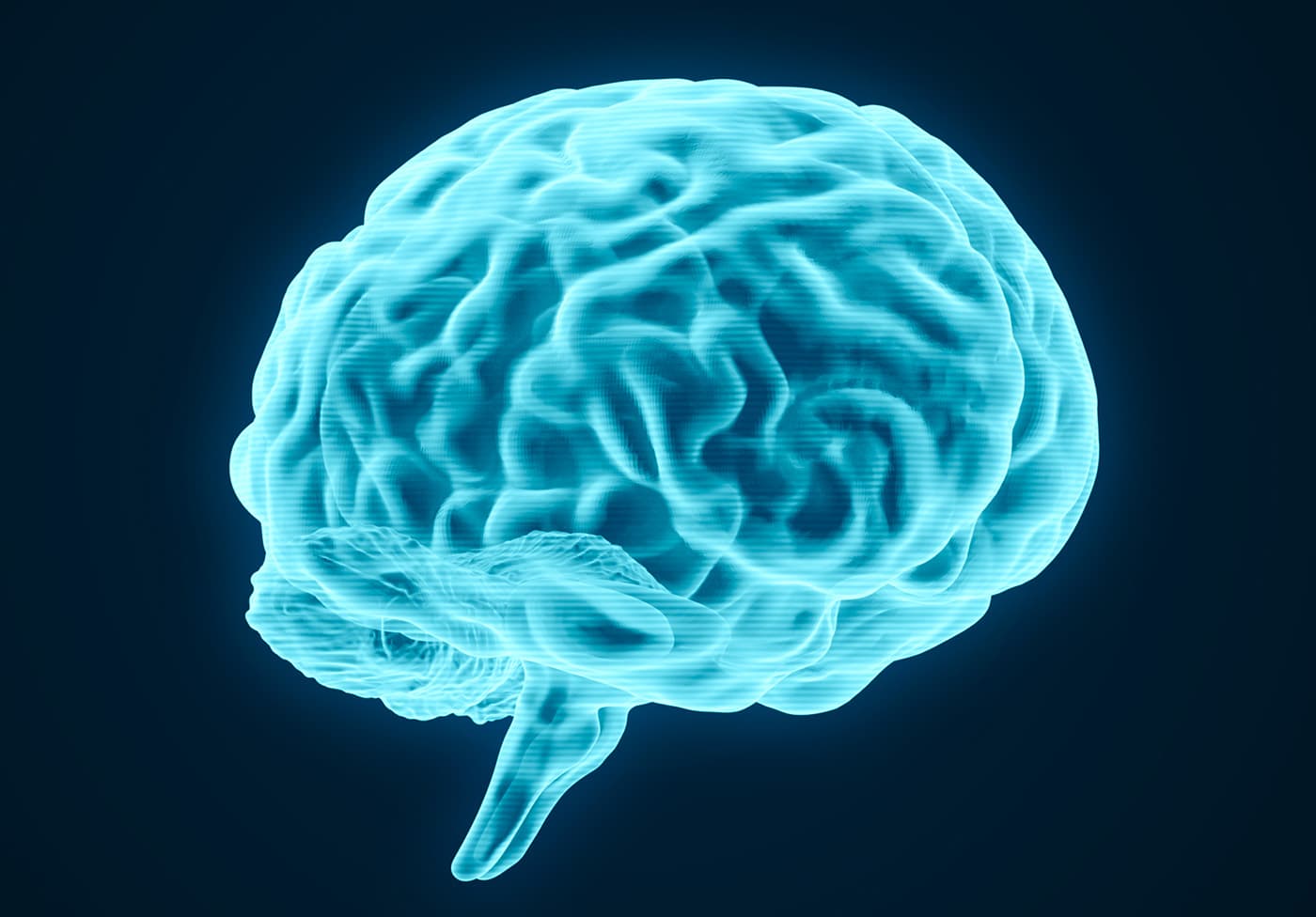
The Double-Edged Sword of AI Radiology: Why Catching More Aneurysms Comes at a Cost
A 3,856-patient study reveals that FDA-cleared AI found 39% more brain aneurysms than radiologists but triggered false alarms nearly twice as often, raising critical questions about real-world deployment.

Combining AI, Imaging, and Genomics to Predict Which Cancer Patients Will Respond to Immunotherapy
New research in Nature Medicine shows multimodal biomarker integration significantly improves immunotherapy response prediction, though generalizability challenges remain before clinical deployment.
The Hidden Inequity in Your Hospital's AI: Why Clinical Algorithms May Be Failing Vulnerable Patients
Australian experts reveal how biased training data in medical AI systems is perpetuating healthcare disparities, and what clinicians can do about it.
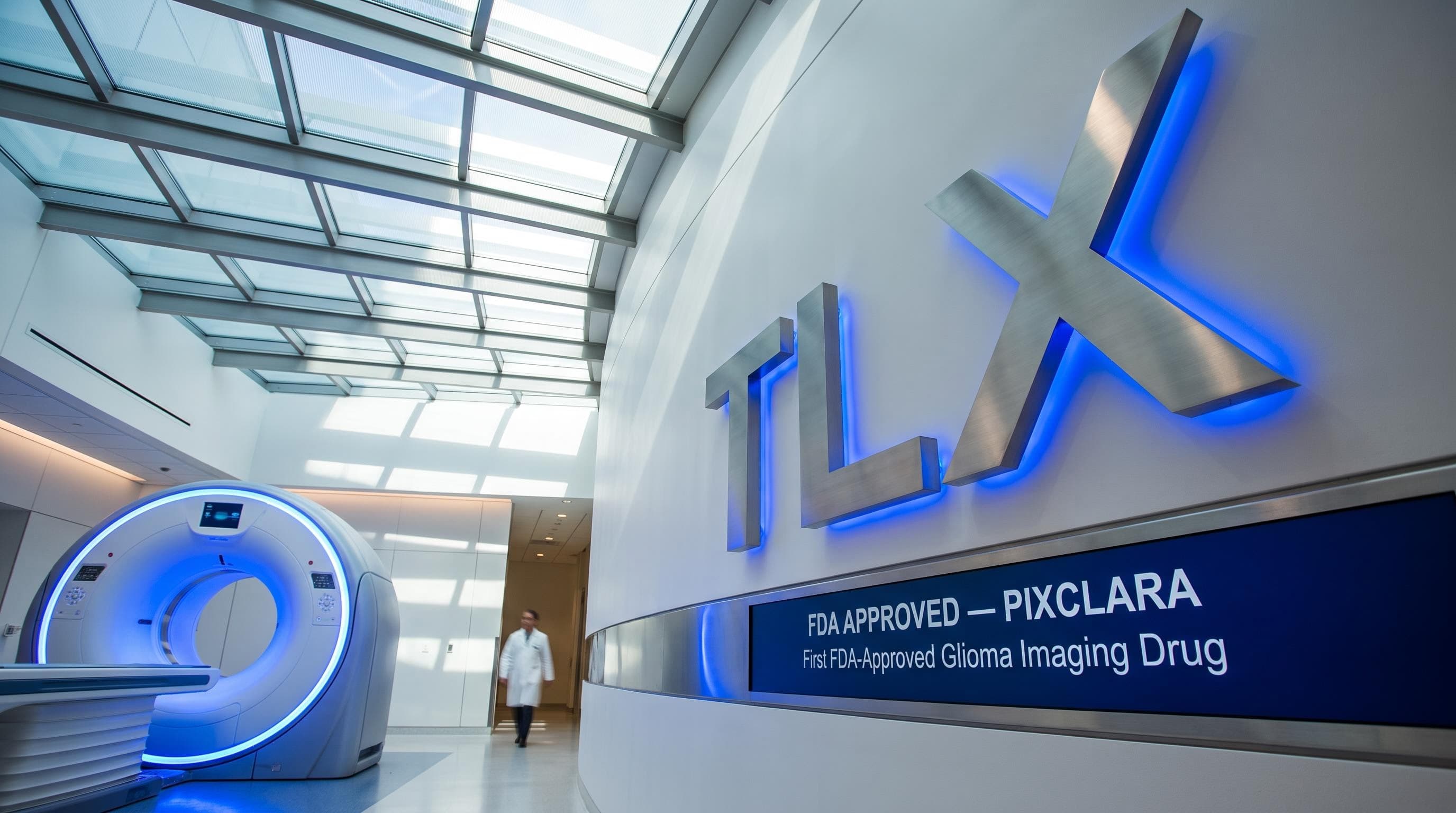
FDA Greenlights First-Ever Brain Cancer Imaging Agent, Opening Door for AI-Enhanced Diagnostics
Telix Pharmaceuticals' Pixclara approval addresses a critical diagnostic gap in distinguishing tumor recurrence from treatment effects in approximately 24,000 annual U.S. glioma cases.
Your Gut Microbiome Could Predict Cognitive Decline 30 Years Early, UCLA Study Suggests
Researchers link specific bacterial metabolites to accelerated brain aging in young and middle-aged adults, opening new frontiers for preventive neurology.
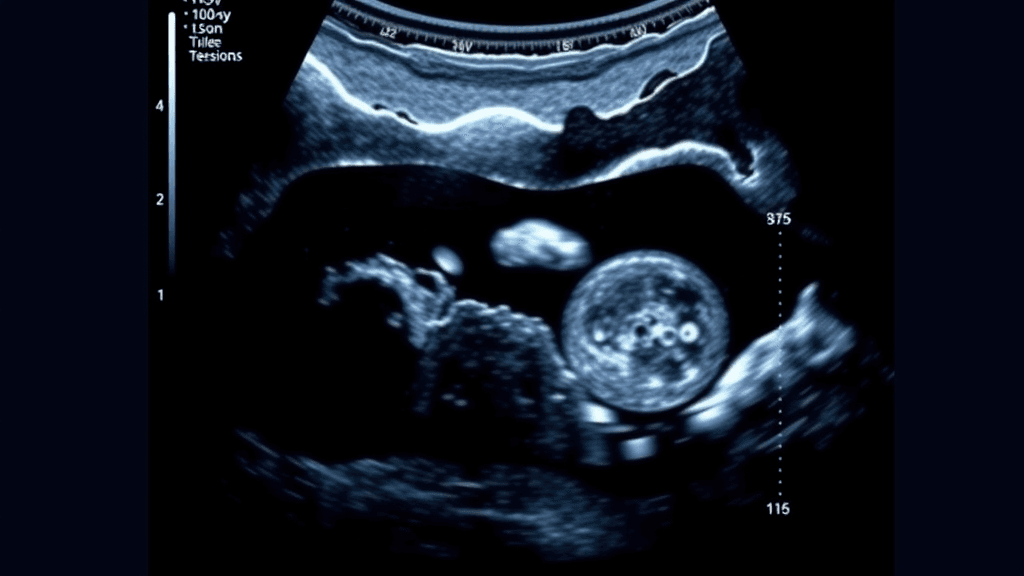
Machine Learning Tackles a Hidden Women's Health Crisis: AI Achieves 90% Accuracy in Diagnosing Bladder Prolapse
New clinical decision support system standardizes cystocele classification on ultrasound, boosting radiologist accuracy and slashing interpretation time by nearly two-thirds.

Public Trust in Medical AI Hinges on One Critical Factor, New UK Cancer Study Reveals
Nationwide survey shows Britons will embrace AI-assisted skin cancer screening—but only if doctors stay in control of the diagnosis.

Pathologists Get AI-Powered Google for Rare Tumors as Aignostics Opens Early Access to Visual Search Engine
Berlin-based startup's PathoSearch tool scans 310,000 whole slide images to match complex cases in minutes, with plans to scale to over one million reference images.

Federal Agency Bets $62.7 Million on Autonomous AI to Replace Missing Cardiologists
ARPA-H awards contracts to six teams racing to build the first FDA-authorized AI agent that can independently manage heart failure patients around the clock.

When Gastroenterologists Can't Tell Real Guts from Fake: How Synthetic Endoscopy Images Are Solving AI's Data Problem
Norwegian researchers created AI-generated bowel images so convincing that specialist doctors identified them correctly only 54% of the time—barely better than a coin flip.

Tracking Tissue Over Time: How NYU's Longitudinal Mammography AI Beats Traditional Risk Models
New AI system analyzes up to 10 prior 3D mammograms to predict breast cancer risk with 28% better accuracy than clinical tools, potentially reshaping screening protocols without additional radiation exposure.

How a Taiwan Hospital Achieved 99% Accuracy in Kidney Injury Detection by Ignoring Mild Cases
A five-year validation study reveals that strategic restraint in clinical alerting—targeting only severe kidney injury with medication guidance—can deliver exceptional accuracy while keeping physicians engaged.
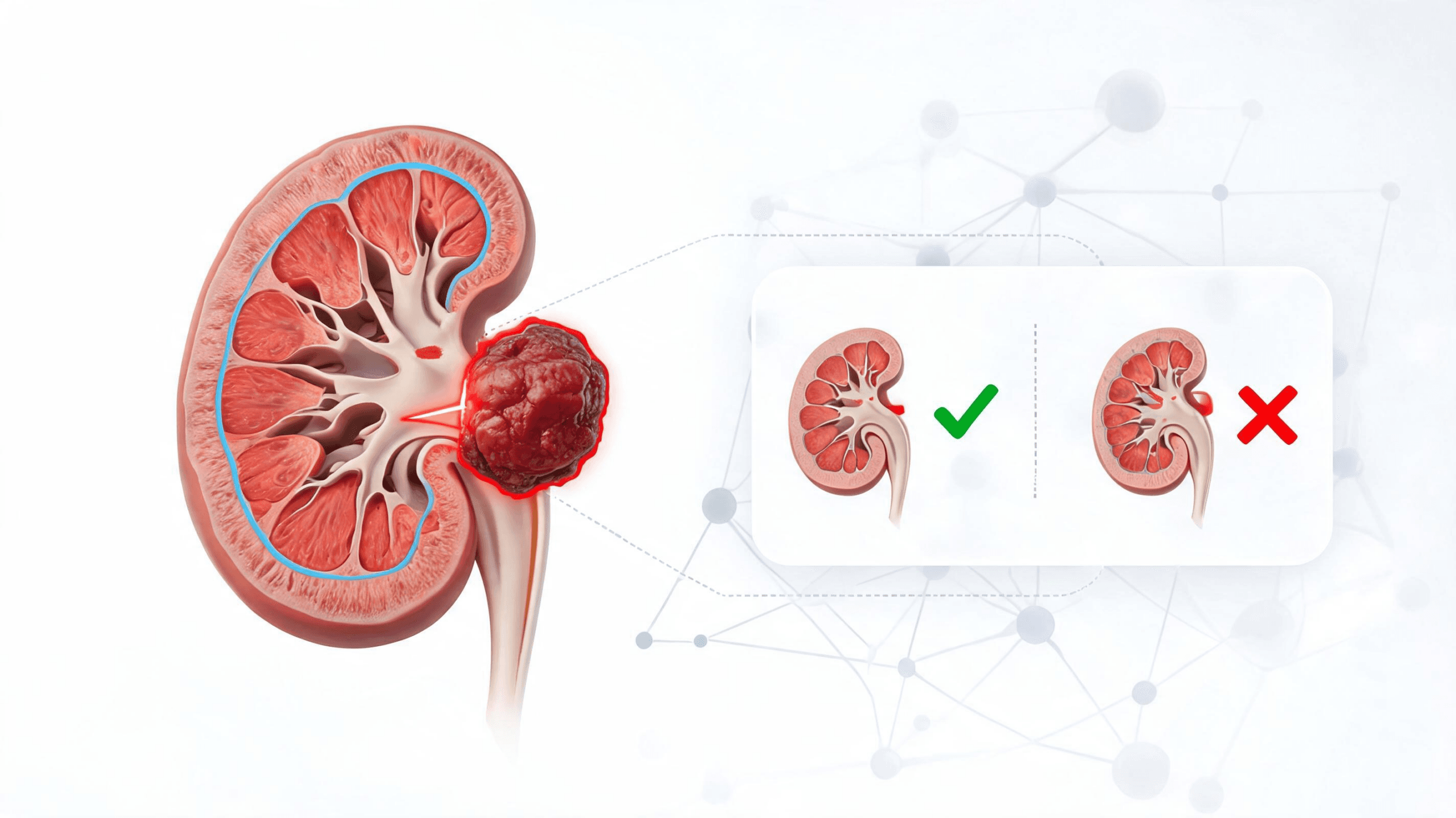
Open-Source AI Uncovers Hidden Geometry That Predicts Kidney Tumor Treatment Failure
Taiwanese researchers demonstrate that automated measurement of tumor contact with renal sinus blood vessels outperforms traditional scoring systems in forecasting cryoablation outcomes.

Webcam Screening for Autism: How AI Reads Facial Geometry During Virtual Classroom Tasks
A dual-branch deep learning model combines clinical facial measurements with neural network analysis to screen school-age children for autism spectrum disorder, potentially reducing diagnostic delays that currently span months to years.

When Six AI Systems All Pick the Same \"Random\" Number: What Clinical Trials Need to Know About Machine Confidence
A simple test exposing AI's pattern-mimicking behavior reveals why automation bias—not capability gaps—poses the greatest risk to trial safety and healthcare equity.

When Perfect AI Scores Don't Translate to Better Patient Care: The Benchmark Illusion Unraveling Clinical AI
A landmark trial reveals that AI tools can ace every technical metric while delivering no measurable improvement in patient outcomes—forcing regulators and sponsors to rethink how clinical algorithms are validated.

The Hidden Cost of Smarter Medical AI: When Better Diagnostics Mean Greater Privacy Risks
Yale researchers reveal that fine-tuning AI models to improve diagnostic accuracy simultaneously increases the likelihood of exposing sensitive patient information.
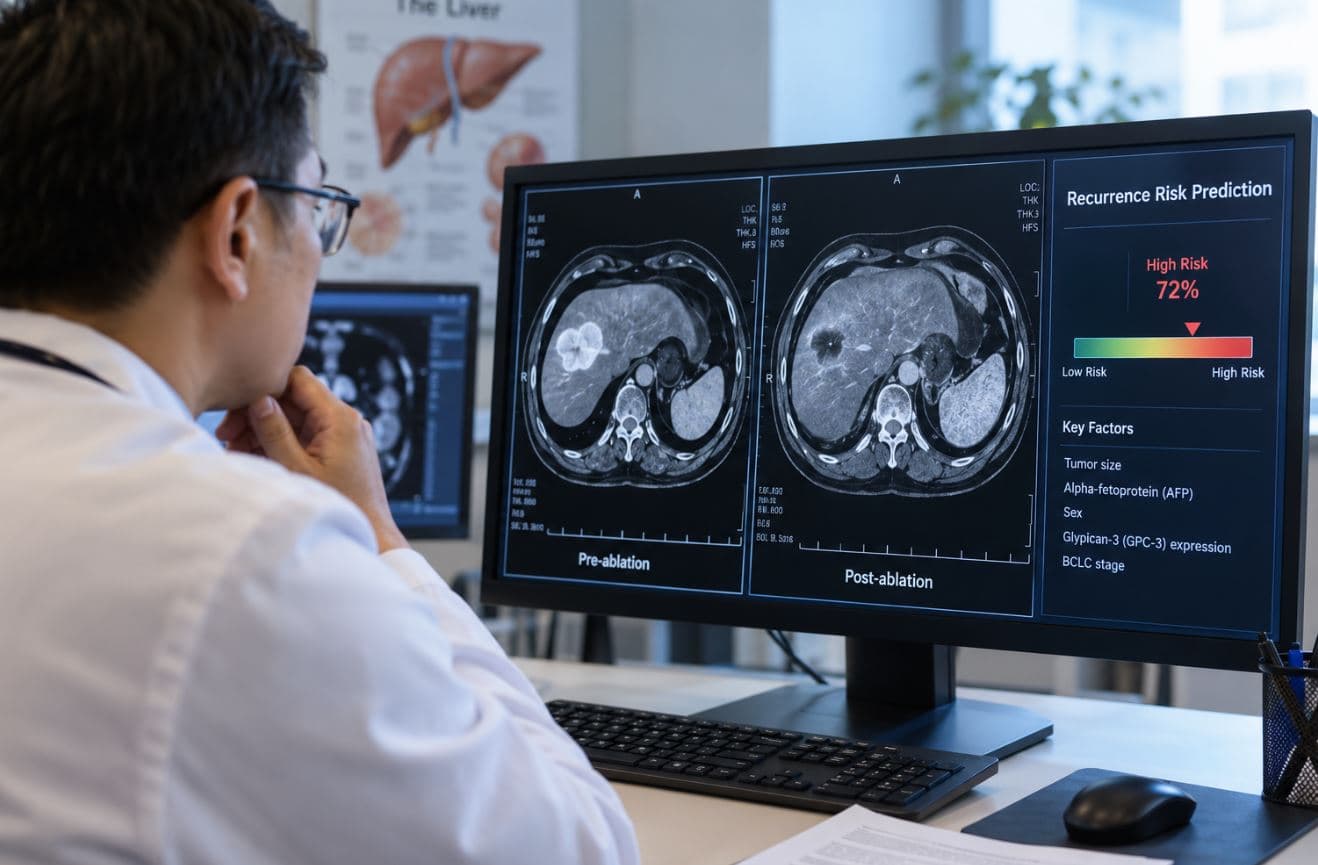
Can AI Predict Which Liver Cancer Patients Will Relapse After Treatment? New Model Offers Clues—and Cautions
A Chinese hospital's machine-learning tool achieved 79% accuracy predicting hepatocellular carcinoma recurrence, but the path from promising algorithm to clinical reality remains long.
The Cardiology AI Explosion: Why 225 FDA Clearances Are Creating a Hospital Headache
As cardiovascular AI tools flood the market, health systems face a new challenge—managing portfolios instead of products.

Real-Time Computer Vision Guides Surgeons Through Millimeter-Precision Brain Tumor Removal in World-First Procedure
A London neurosurgery team used AI to color-code critical nerves and blood vessels during a high-stakes pituitary operation where a single millimeter error could cause blindness.
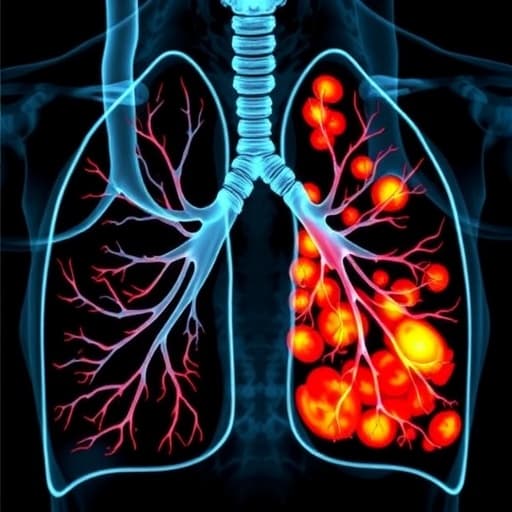
AI Model Tackles Lung Cancer Screening's Thorniest Dilemma: Which Hazy Nodules Need the Knife?
Chinese researchers combine ultra-high-resolution CT imaging with machine learning to distinguish deadly lung cancers from harmless look-alikes, achieving 90% sensitivity in a clinical gray zone where surgeons currently fly blind.

AI Tool Identifies Which Young Heart Patients Will Fail Standard Treatment Before Therapy Begins
Machine learning model using eight routine clinical variables predicts resistance to immunoglobulin therapy in Kawasaki disease with nearly 80% accuracy, outperforming all existing risk scores.

Your Nightly Sleep Transitions May Predict Heart Disease a Decade in Advance
Machine learning analysis of sleep-stage patterns detects breathing disorders and forecasts cardiovascular events with accuracy rivaling traditional risk scores—no respiratory sensors required.

GE HealthCare's AI-Powered Photon-Counting CT Clears European Regulatory Hurdle as Premium Imaging Market Heats Up
CE Mark approval for Photonova Spectra system opens European distribution following FDA clearance, positioning GEHC in a diagnostic imaging segment projected to grow at 29.4% annually through 2035.

Why Healthcare AI Models May Be Failing the Real-World Test: A Token-Length Reality Check
New analysis reveals public AI benchmarks use 40 times less patient data than actual clinical records, raising questions about deployment readiness.
One in Five Blood Cancer Diagnoses Gets Changed by Expert Review—Can AI Close the Gap?
A leading oncologist reveals that 20% of community hematology diagnoses are altered upon expert second opinion, positioning AI-assisted digital pathology as an immediate solution to a critical accuracy crisis.