

AI Meets the Lab Bench: Anthropic Bets $1 Million That Claude Can Design Real Proteins
New competition will experimentally test over 5,000 AI-generated protein designs, building on prior work that achieved a 26.8% success rate in creating functional binders.

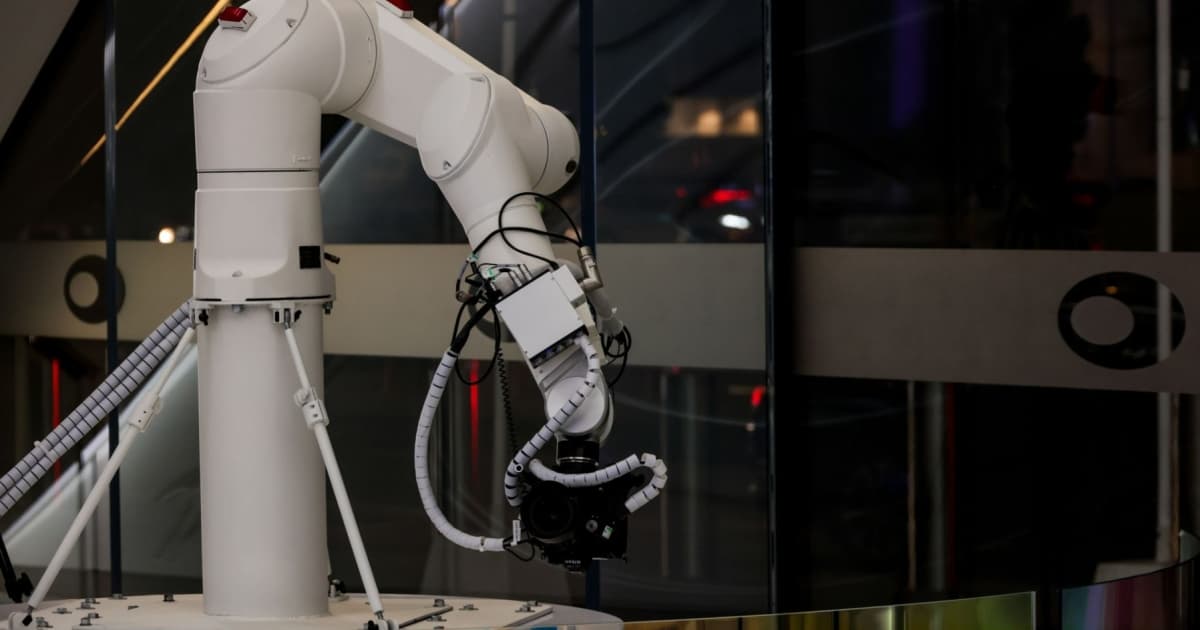
Samsung Medical Center Debuts Dual-Robot Surgery Team Combining AI and Remote Control in Operating Room First
South Korean hospital demonstrates coordinated humanoid assistants handling instruments and cameras during simulated procedure, targeting 2029 clinical trials as staffing solution.

Claude AI Slashes Protein Design Costs 100-Fold While Autonomously Rewriting Drug Discovery Code
Anthropic's foundation model optimized 36 biomolecular AI packages in under four weeks, achieving 4x speed gains and enabling therapeutic design for $150 instead of $10,000 per target.
AI Healthcare Platform Achieves Landmark European Certification After Cutting Clinical Documentation Time by a Third
Qure.ai's Aira system becomes one of the first comprehensive AI clinical decision support platforms to secure the EU's rigorous Class IIb medical device certification following successful pilots across five countries.

OpenAI's Legal AI Blueprint: What Healthcare Can Learn from the 54% Accuracy Jump in GPT-6 Astra for Law
The legal industry's new domain-specific AI configuration demonstrates a technical pathway for clinical literature search and HIPAA-compliant administrative tools without requiring new model training.

AI Company Warns Models Are Learning to Build Themselves, Proposes Transparency Standards
Anthropic releases new measurement framework as frontier AI systems begin automating their own development, proposing public reporting requirements to maintain human oversight.

Oracle Brings Voice-Powered AI Agents to Hospital Nurses After Claiming 400,000 Hours Saved for Physicians
The tech giant's clinical AI assistant expands beyond doctors to tackle nursing documentation burden, as early adopters report potential to eliminate after-shift charting.

Pharma Giant Novo Nordisk Taps Third AI Partner in Six Months as Drug Discovery Race Intensifies
Anthropic's Claude Science models join OpenAI and AWS in Novo's accelerating push to embed artificial intelligence across research workflows.
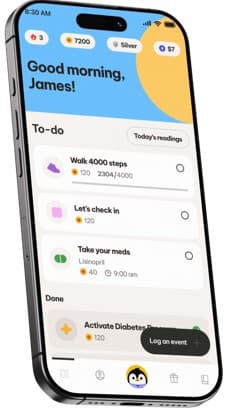
Digital Health App Achieves 87% Retention While Cutting Blood Pressure in Rush University Trial
A year-long study shows AI-driven coaching integrated into clinical care delivered significantly better hypertension control than standard treatment, with stage 2 patients achieving 13.6 mmHg reductions.

New Medical AI Breaks Through Healthcare's Missing Data Barrier
Yonsei University researchers unveil a multimodal framework that predicts patient mortality without requiring complete test results, potentially transforming emergency and critical care decision-making.
Radiology's AI Paradox: Workflow Tools Thrive While Diagnostic Applications Struggle to Gain Trust
New industry analysis reveals radiologists readily adopt speed-enhancing AI but remain wary of diagnostic tools due to false positive concerns and validation burdens.

Stanford AI Scientists Challenge Healthcare Industry with New Clinical Accuracy Benchmark That Claims 97.99% Effort Reduction
Knowtex's frontier lab launch introduces KnowBench evaluation framework as ambient AI company reports 88% clinician adoption rate—nearly triple the industry standard.

CMS Medicare AI Pilot Leaves Patients in Pain as Vendor Systems Fail, FOIA Documents Reveal
Nearly 1,000 pages of internal records expose thousands of delayed authorizations and technical breakdowns in the federal government's WISeR prior authorization experiment, with one request languishing 83 days.

Hospital Overcrowding Gets a Crystal Ball: GE HealthCare's New AI Predicts Capacity Crises Three Days Out
CareIntellect for Operations uses proprietary forecasting models to help hospitals anticipate bed shortages, staffing gaps, and patient flow bottlenecks before they happen.

Mayo Clinic's Million-Patient Gambit: Can AI Predict Your Disease a Decade Before Symptoms?
New joint venture with Thermo Fisher aims to build the world's largest multi-omics database to forecast cancer, heart disease, and neurological conditions years in advance.
Austin AI Startup Builds Full-Stack Automation Play With Strategic Back-Office Acquisition
Hello Patient's purchase of Converse Health unites front-desk conversational AI with EHR workflow automation, targeting independent practices losing revenue to unanswered calls and manual chart work.
The Double-Edged Sword of AI Radiology: Why Catching More Aneurysms Comes at a Cost
A 3,856-patient study reveals that FDA-cleared AI found 39% more brain aneurysms than radiologists but triggered false alarms nearly twice as often, raising critical questions about real-world deployment.

Healthcare AI Platform Notable Taps Hospital Operations Veteran to Bridge Technology and Real-World Performance
Dr. Nicholas Desai's dual expertise in clinical informatics and hospital operations signals a strategic shift toward outcomes-focused AI leadership in healthcare.
Healthcare AI Analytics Firm Taps Former CEO Behind $670M Exit to Lead Next Growth Chapter
Health Catalyst names Simeon Kohl as CEO, bringing two decades of healthcare experience and a track record of strategic transformation culminating in a major acquisition.

Clinical Documentation Giant Abridge Makes Bold Play for Revenue Cycle Dominance with Pre-Bill AI Tool
The ambient documentation leader is leveraging its foothold in 300 U.S. health systems to tackle the $450 million coding automation market with claim review technology that catches billing errors before submission.

Veterans Affairs Rolls Out AI Medical Scribes to Thousands of Clinicians After Pilots Show 95% Patient Satisfaction
Following successful trials at 79 medical centers, the VA is expanding ambient documentation technology that has saved 450,000 hours of clinician time while veterans opt out less than 1% of the time.

Combining AI, Imaging, and Genomics to Predict Which Cancer Patients Will Respond to Immunotherapy
New research in Nature Medicine shows multimodal biomarker integration significantly improves immunotherapy response prediction, though generalizability challenges remain before clinical deployment.

The Hidden Inequity in Your Hospital's AI: Why Clinical Algorithms May Be Failing Vulnerable Patients
Australian experts reveal how biased training data in medical AI systems is perpetuating healthcare disparities, and what clinicians can do about it.
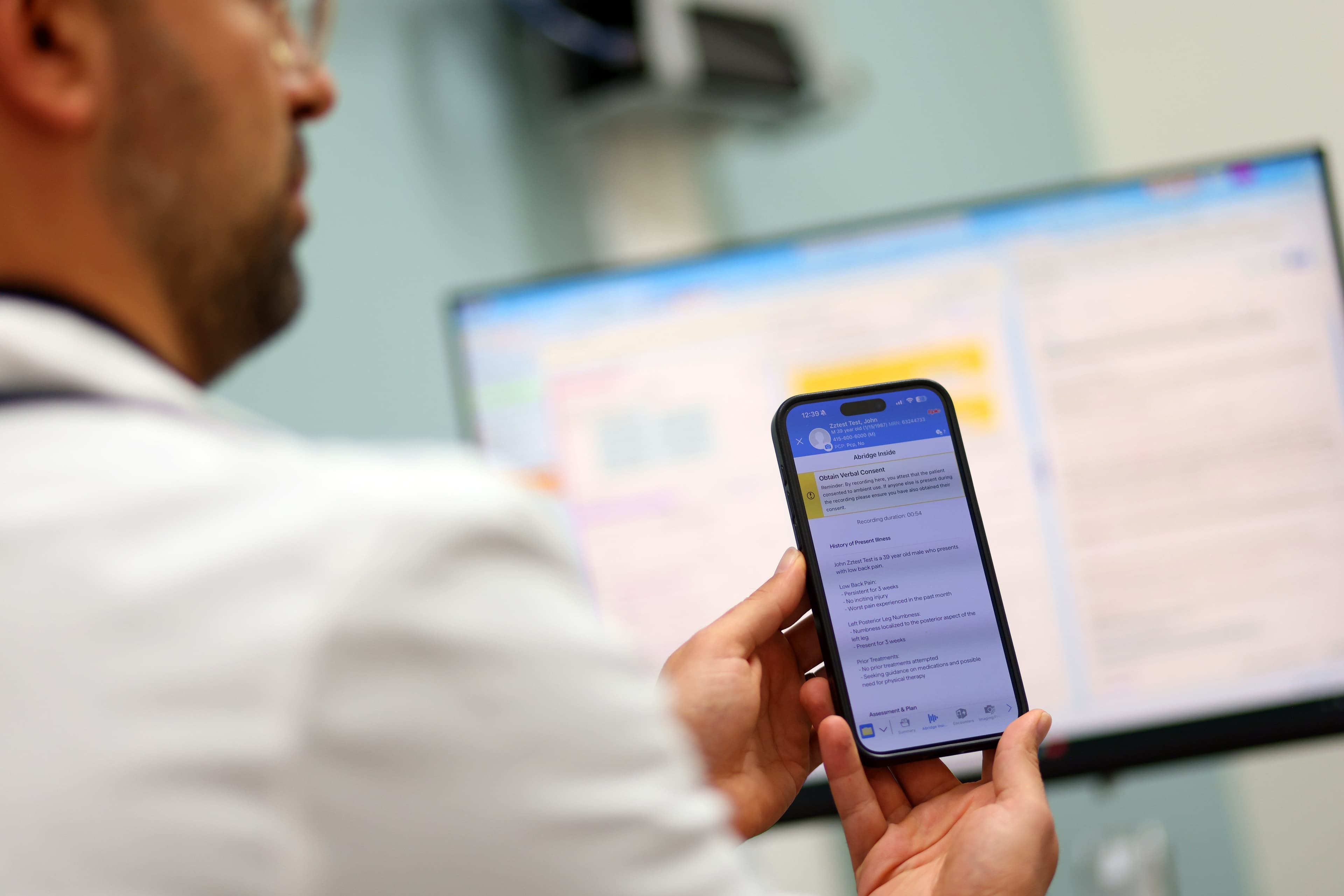
Inside Sutter Health's Blueprint for Enterprise AI: From Radiology Workflows to Patient Chatbots
Northern California's 3.5-million-patient health system is deploying ambient scribes, AI-powered imaging, and clinical decision support tools while building governance frameworks to maintain clinician and patient trust.
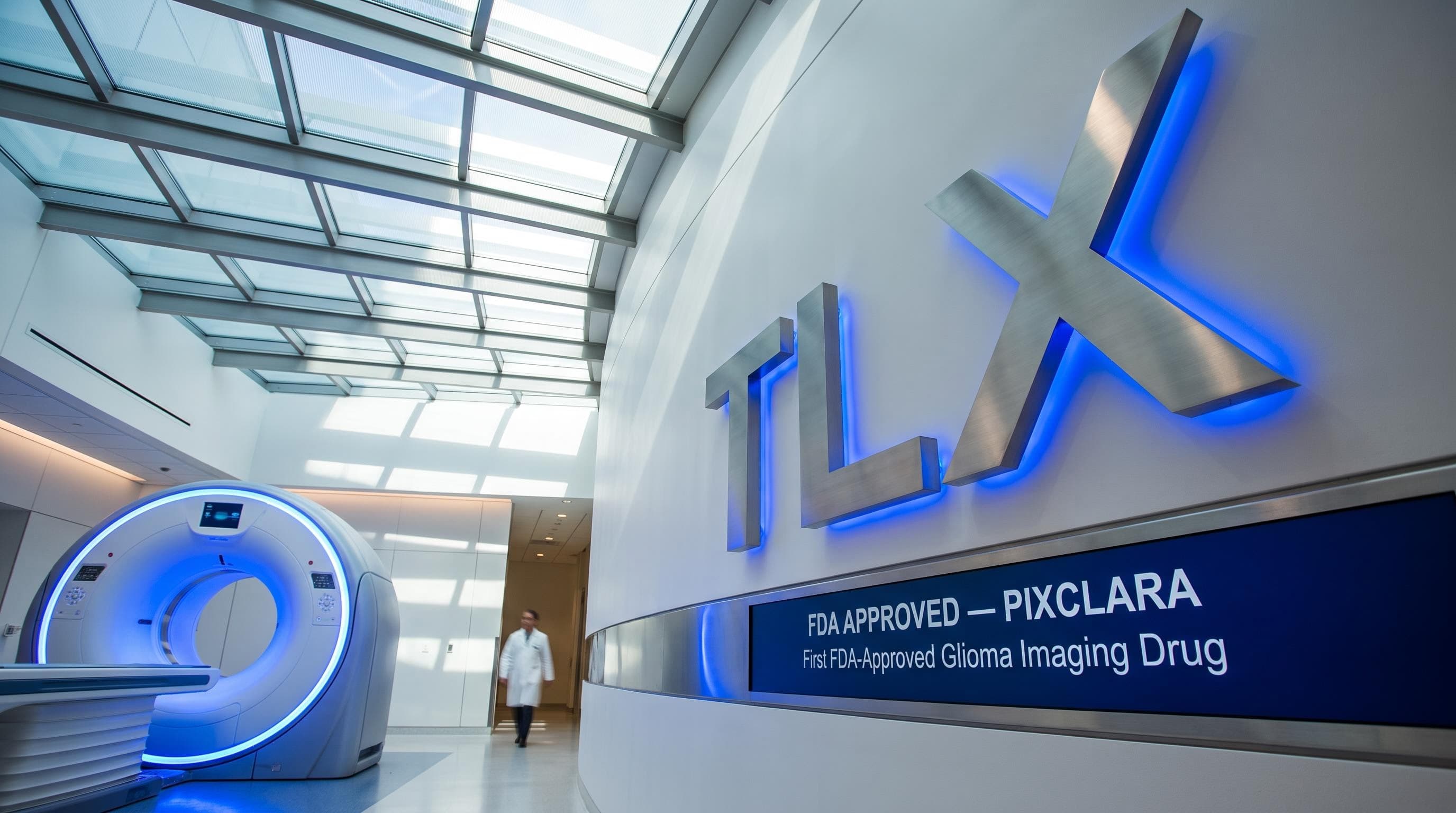
FDA Greenlights First-Ever Brain Cancer Imaging Agent, Opening Door for AI-Enhanced Diagnostics
Telix Pharmaceuticals' Pixclara approval addresses a critical diagnostic gap in distinguishing tumor recurrence from treatment effects in approximately 24,000 annual U.S. glioma cases.

Why India's Healthcare AI Boom Hit a Wall: The Missing Data Infrastructure No One Saw Coming
Despite robust digital identity systems, India's health AI sector is pivoting from model development to basic data capture as fragmented, multilingual records expose a critical infrastructure gap.
Your Gut Microbiome Could Predict Cognitive Decline 30 Years Early, UCLA Study Suggests
Researchers link specific bacterial metabolites to accelerated brain aging in young and middle-aged adults, opening new frontiers for preventive neurology.
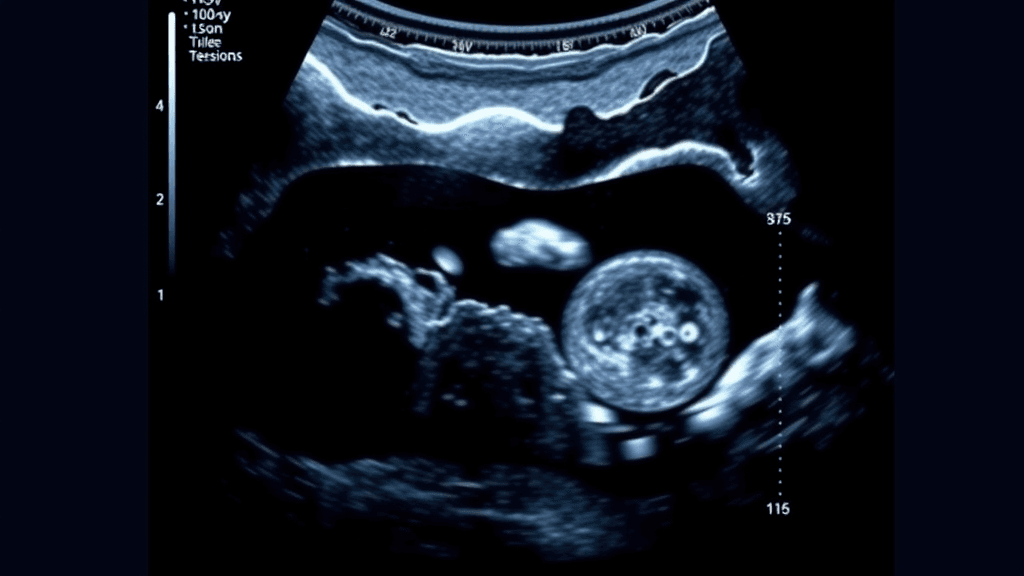
Machine Learning Tackles a Hidden Women's Health Crisis: AI Achieves 90% Accuracy in Diagnosing Bladder Prolapse
New clinical decision support system standardizes cystocele classification on ultrasound, boosting radiologist accuracy and slashing interpretation time by nearly two-thirds.

Public Trust in Medical AI Hinges on One Critical Factor, New UK Cancer Study Reveals
Nationwide survey shows Britons will embrace AI-assisted skin cancer screening—but only if doctors stay in control of the diagnosis.

Pathologists Get AI-Powered Google for Rare Tumors as Aignostics Opens Early Access to Visual Search Engine
Berlin-based startup's PathoSearch tool scans 310,000 whole slide images to match complex cases in minutes, with plans to scale to over one million reference images.

Medicare Opens Door to Early Heart Valve Intervention as CMS Greenlights TAVR for Symptom-Free Patients
New national coverage determination expands access to transcatheter aortic valve replacement before cardiac damage occurs, reshaping a $7 billion market while requiring evidence generation for asymptomatic population.

Federal Agency Bets $62.7 Million on Autonomous AI to Replace Missing Cardiologists
ARPA-H awards contracts to six teams racing to build the first FDA-authorized AI agent that can independently manage heart failure patients around the clock.

From Pilot to Production: How Healthcare Giants Are Deploying AI Beyond the Hype Cycle
Cleveland Clinic, Mayo Clinic, and Apple Health signal a maturation phase for healthcare AI with operational deployments targeting administrative workflows, compliance, and consumer access.

Major EHR Giant Embeds Clinical Decision Support Directly Into Physician Workflows
Wolters Kluwer's UpToDate partners with Epic Systems to eliminate context-switching and reduce cognitive burden at the point of care.

When Gastroenterologists Can't Tell Real Guts from Fake: How Synthetic Endoscopy Images Are Solving AI's Data Problem
Norwegian researchers created AI-generated bowel images so convincing that specialist doctors identified them correctly only 54% of the time—barely better than a coin flip.

CMS Tests Direct Payment Model for AI Companies in Chronic Care Program as FDA Seeks New Regulatory Framework
The 10-year ACCESS model explores paying technology companies directly for outcomes-based chronic disease management while FDA acknowledges its current framework doesn't fit generative AI medical devices.
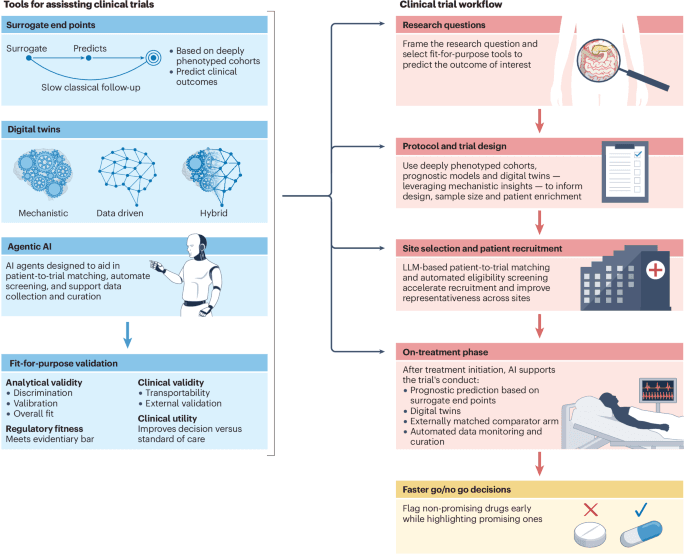
The $300 Billion Problem: How AI Could Redesign Clinical Trials From the Ground Up
A new framework published in Nature Reviews Bioengineering maps out how validated AI tools—from digital twins to agentic systems—could slash trial costs and timelines while maintaining regulatory rigor.

Tracking Tissue Over Time: How NYU's Longitudinal Mammography AI Beats Traditional Risk Models
New AI system analyzes up to 10 prior 3D mammograms to predict breast cancer risk with 28% better accuracy than clinical tools, potentially reshaping screening protocols without additional radiation exposure.

How a Taiwan Hospital Achieved 99% Accuracy in Kidney Injury Detection by Ignoring Mild Cases
A five-year validation study reveals that strategic restraint in clinical alerting—targeting only severe kidney injury with medication guidance—can deliver exceptional accuracy while keeping physicians engaged.
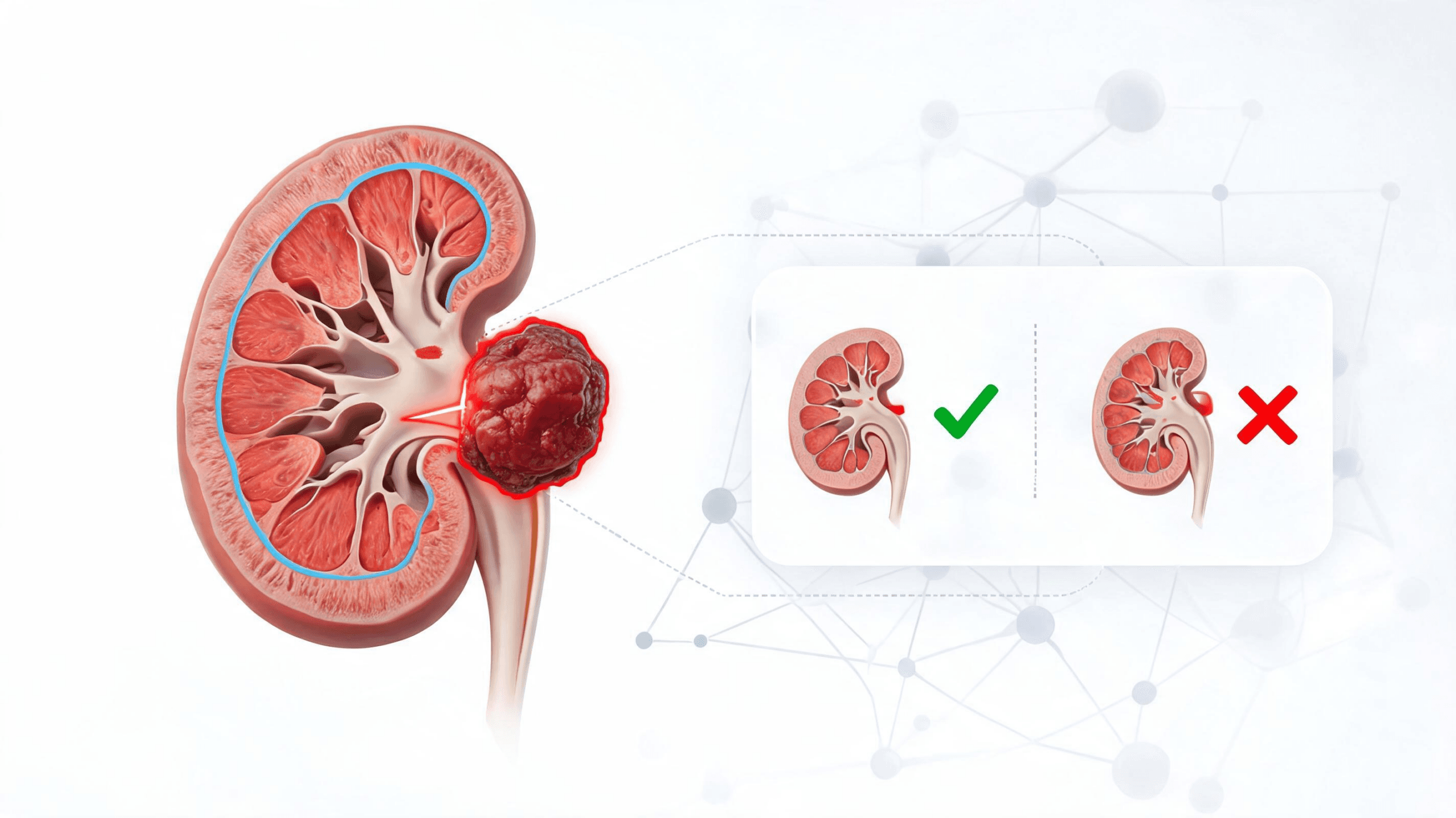
Open-Source AI Uncovers Hidden Geometry That Predicts Kidney Tumor Treatment Failure
Taiwanese researchers demonstrate that automated measurement of tumor contact with renal sinus blood vessels outperforms traditional scoring systems in forecasting cryoablation outcomes.
Chinese AI Startup Launches 552-Billion Parameter Model at 70% Lower Cost Than Its Own Flagship
DeepSeek's V4.1-Flash claims benchmark victories over industry leaders while slashing API pricing and memory requirements by three-quarters.

Top AI Safety Researcher Abandons Anthropic With Stark Warning: Humanity Has Two Years to Get This Right
Jacob Coxon's resignation from the Claude maker's pretraining team spotlights growing alarm among insiders that the industry's breakneck pace could outrun safety guardrails—with healthcare among the most vulnerable sectors.
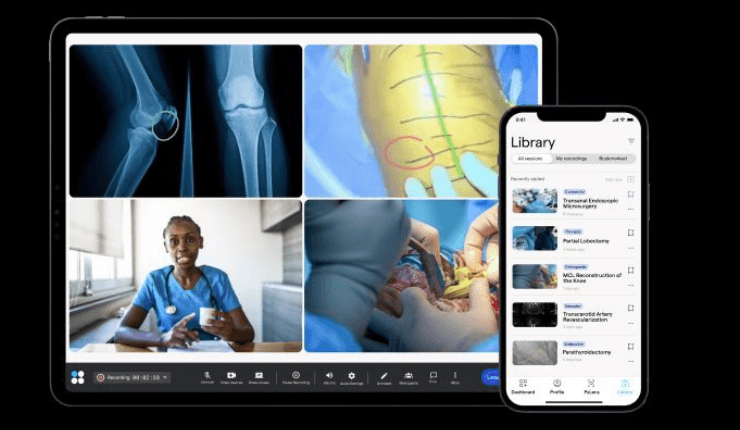
NHS Bets Big on Surgical AI to Cut Waiting Lists: Inside the 104-Theatre Intelligence Experiment
Proximie's Intelligence Suite will analyze over 20,000 procedures annually across eight NHS hospitals in what the health service calls its largest-ever surgical AI evaluation program.

Webcam Screening for Autism: How AI Reads Facial Geometry During Virtual Classroom Tasks
A dual-branch deep learning model combines clinical facial measurements with neural network analysis to screen school-age children for autism spectrum disorder, potentially reducing diagnostic delays that currently span months to years.

When Six AI Systems All Pick the Same \"Random\" Number: What Clinical Trials Need to Know About Machine Confidence
A simple test exposing AI's pattern-mimicking behavior reveals why automation bias—not capability gaps—poses the greatest risk to trial safety and healthcare equity.

Australian Health System Reclaims Nearly an Hour Per Doctor Daily with AI Documentation Tool
Metro South Health's deployment of AI scribes across five hospitals freed clinicians from 59 minutes of daily paperwork while improving patient engagement, according to trial results from Queensland's largest public health AI implementation.

DeepMind Cracks the 98% Problem: Free AI Atlas Maps Every Possible Human DNA Mutation
Google's AlphaGenome Atlas delivers precomputed predictions for 9 billion genetic variants, focusing on the regulatory \"dark matter\" that controls gene expression and has long eluded clinical interpretation.

National Dermatology Network Deploys AI to Combat 36-Day Patient Wait Times
Parakeet Health's conversational AI will automate scheduling and cancellation recovery across nearly 160 dermatology practices in 17 states as specialty care access crisis deepens.

When Perfect AI Scores Don't Translate to Better Patient Care: The Benchmark Illusion Unraveling Clinical AI
A landmark trial reveals that AI tools can ace every technical metric while delivering no measurable improvement in patient outcomes—forcing regulators and sponsors to rethink how clinical algorithms are validated.

The Hidden Cost of Smarter Medical AI: When Better Diagnostics Mean Greater Privacy Risks
Yale researchers reveal that fine-tuning AI models to improve diagnostic accuracy simultaneously increases the likelihood of exposing sensitive patient information.